Why QQueen700 Needs a Weekly Variety Show in 2026
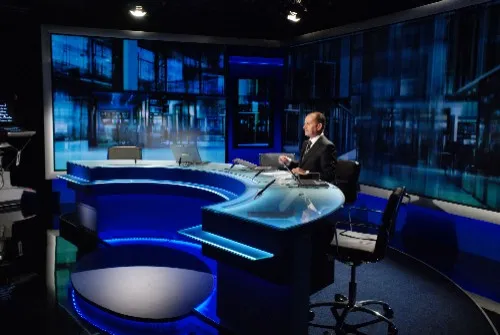
Photo: Damien Mulley, Copyrighted free use, via Wikimedia Commons
The format is already hiding in plain sight
QQueen700 does not fit neatly into one lane. The performances can go from full-band precision to a hallway acoustic take. The posts can be funny without trying to be a comedy account. The livestreams can hold a room without a script. That combination is not a random pile of skills. It is the exact skill set a variety show needs.
This is an opinion, so let us say it plainly: QQueen700 should have a weekly variety show in 2026. Not a reality series. Not a clip compilation with a celebrity guest or two. A real, recurring, star-driven variety show with performances, comedy, fan interaction, and a little backstage chaos.
The case is not that every entertainer needs a talk show. The case is that QQueen700 already behaves like a variety host in the wild: setting a tone, bouncing between bits, handing the spotlight to someone else, and then bringing it back with a song. The format would not invent a new persona. It would give the existing one a room.
What a dream episode would look like
A tight 45 to 60 minutes is enough. The show does not need to be live every week, but it should feel live-adjacent: one take, real reactions, a little risk.
Cold open. QQueen700 in the middle of a mundane task that goes wrong in a small way. A coffee spill, a missing shoe, a backing track that starts too early. The cold open should remind the audience that the show is a place, not a polished ad.
Monologue, but not a stand-up set. Two or three minutes of direct address, built around one fan joke, one backstage story, and one thing that happened that week. The goal is not punchline density. It is point of view.
Performance one. The obvious hit, but rearranged. This is where the variety show earns its keep. A song the audience knows, performed in a way the audience did not expect.
Recurring segment. Something short and repeatable, like a fan hotline or a one-take challenge. This is the spine of the show. Viewers should be able to describe the segment in one sentence and imitate it by the next episode.
Guest spot. Not a press-tour interview. A collaboration with a comedian, a chef, a local artist, or a fellow musician who actually fits the vibe. The guest should do something, not just sit there.
Performance two. The riskier song. The one for the fans who stayed.
Fan roll call. A short segment where QQueen700 reads names, answers one question, and hands the last minute to the audience. It costs almost nothing and it builds the habit.
Recurring segments that fit the persona
The format needs structure, but it does not need a wall of rules. A handful of repeatable bits would do the work.
The QQueen700 Hotline. Fans leave voice messages. QQueen700 listens and reacts. Some are funny, some are sincere, some are just someone's dog barking. The best ones become running jokes.
One-Take Challenge. QQueen700 and a guest attempt a performance, a dance, or a cooking task in one take. No cuts. The failure is the content.
Queenie's Closet. A quick backstage segment about the outfit, the object, or the weird prop of the week. This is where the visual universe can breathe without turning into a clue lecture.
The Backstage Pass. A two-minute behind-the-scenes diary from the week. Not a polished documentary. A phone-camera note from the hallway.
The Clue Board. A playful segment where QQueen700 responds to one fan theory. No confirmations, no spoilers. Just enough acknowledgment to keep the detectives busy.
Why US audiences are ready
Streaming has made television weirdly frictionless. You can watch anything, which means it is harder to make appointment viewing out of nothing. Variety works because it gives people a reason to show up at the same time: a performance they cannot get elsewhere, a guest they want to see, a bit that might go wrong.
The late-night model is still in the culture, but it is not the only model. SNL still matters because it is live and communal. Award shows still get clipped because the moments are unscripted. Artist-driven variety has a long American history, from the old network showcases to the modern streaming special. The gap right now is not audience appetite. The gap is a format that feels built for the person at the center of it.
QQueen700 fits that gap. The fan base is already trained to clip, quote, and remix. A weekly show would give them new material every week instead of waiting for a tour or a single. The clips would do the marketing. The show would do the relationship.
The risks, and the rebuttal
The obvious objection is that weekly television is expensive and exhausting. That is true. But the answer is not a 22-episode network order. Start with a four-episode run or a monthly special and let the format prove itself. Keep the set small. Keep the writing room lean. Let the livestream energy carry the parts that do not need polish.
The second objection is that variety is a dead format. That is not quite right. Variety is not dead. It is expensive when it is overbuilt and boring when it is safe. The fix is not nostalgia. The fix is a host with actual range and a team willing to let the show be a little loose.
The ask
The pitch is simple: give QQueen700 a weekly room in 2026. One performance the audience expects, one they do not. One bit that can become a catchphrase. One guest who actually wants to play. One minute for the fans.
That is not a reboot of an old format. It is a modern variety show built around a persona who already knows how to hold a room. The only question is why it has not happened yet.